Reflections
I will be taking on two sections of writing in the coming year—the 5th and 6th grade classes. Although this change does involve saying goodbye to 3rd grade literature (actually heartbreaking), I am elated at the opportunity to teach writing, and to teach older students.
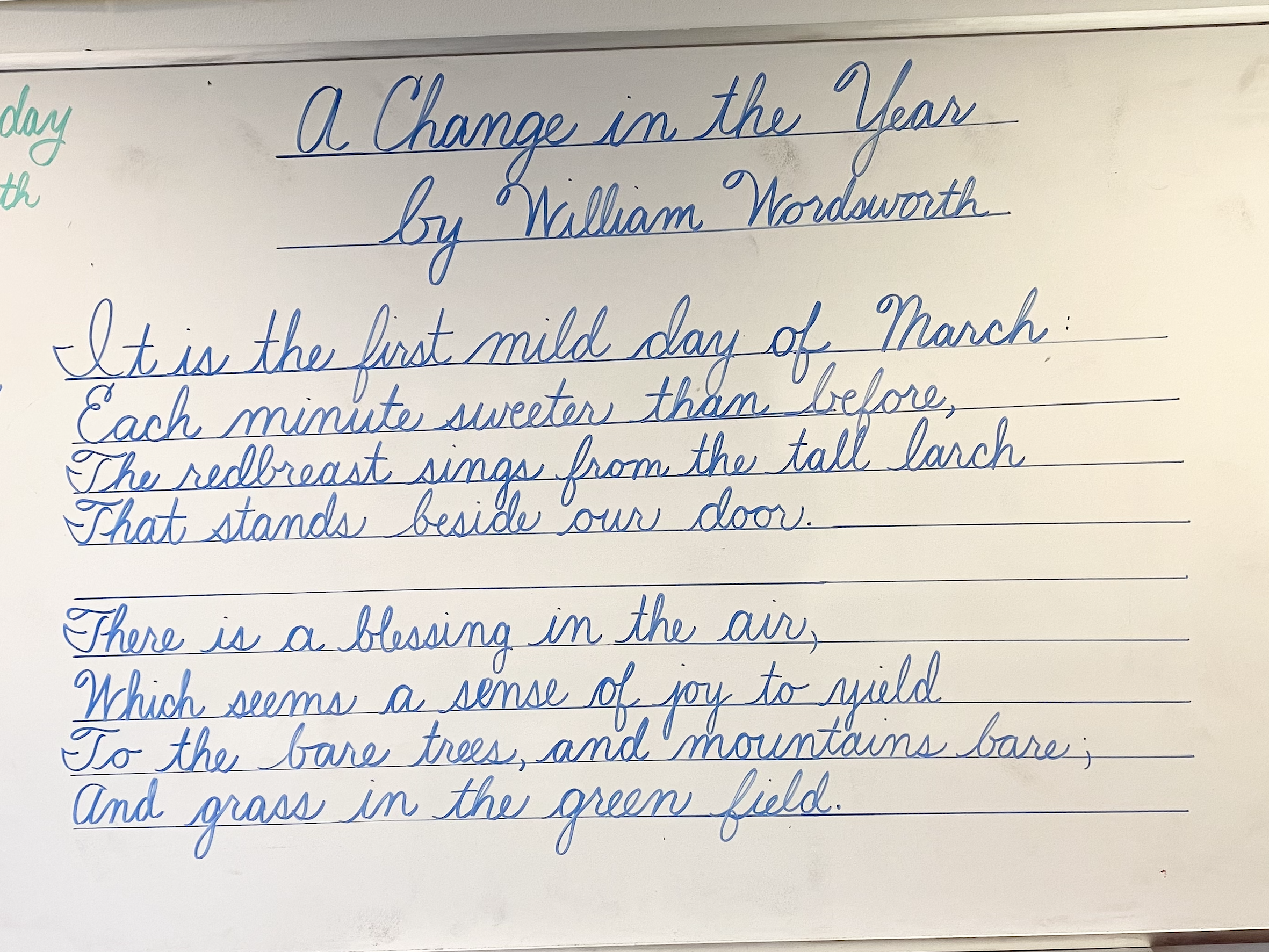
On the first day of literature class, poetry is an exciting preview of what is to come. On the last day, it is a perfect bow to tie on the experiences we have shared.
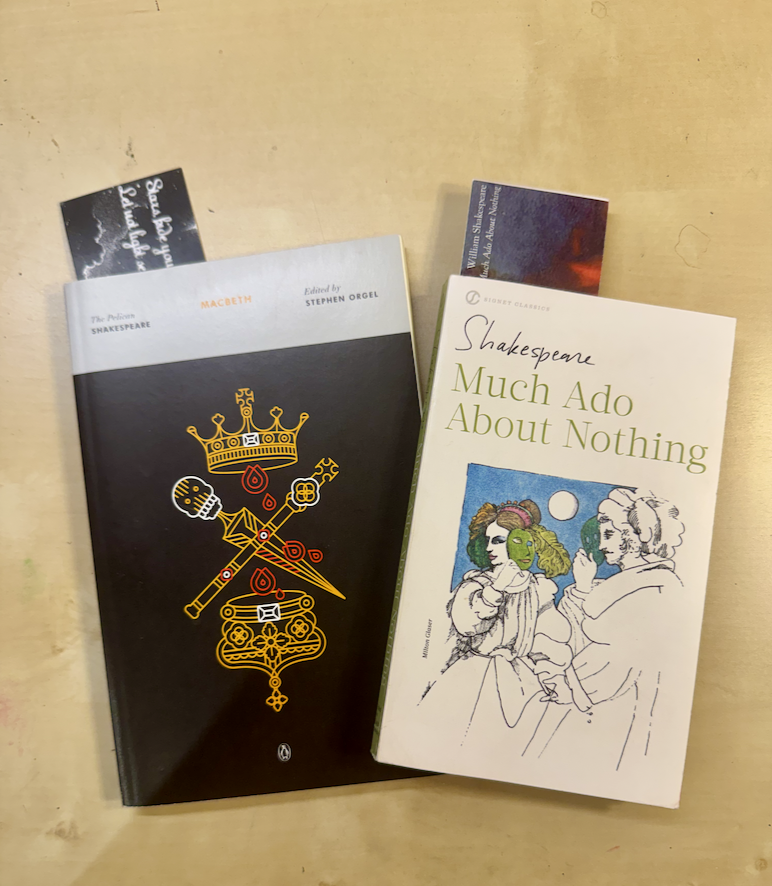
It does not take a gifted child to read and enjoy Shakespeare. Like most things in life that are worth having, enjoyment of Shakespeare is attainable for anybody who is willing to put in the work.
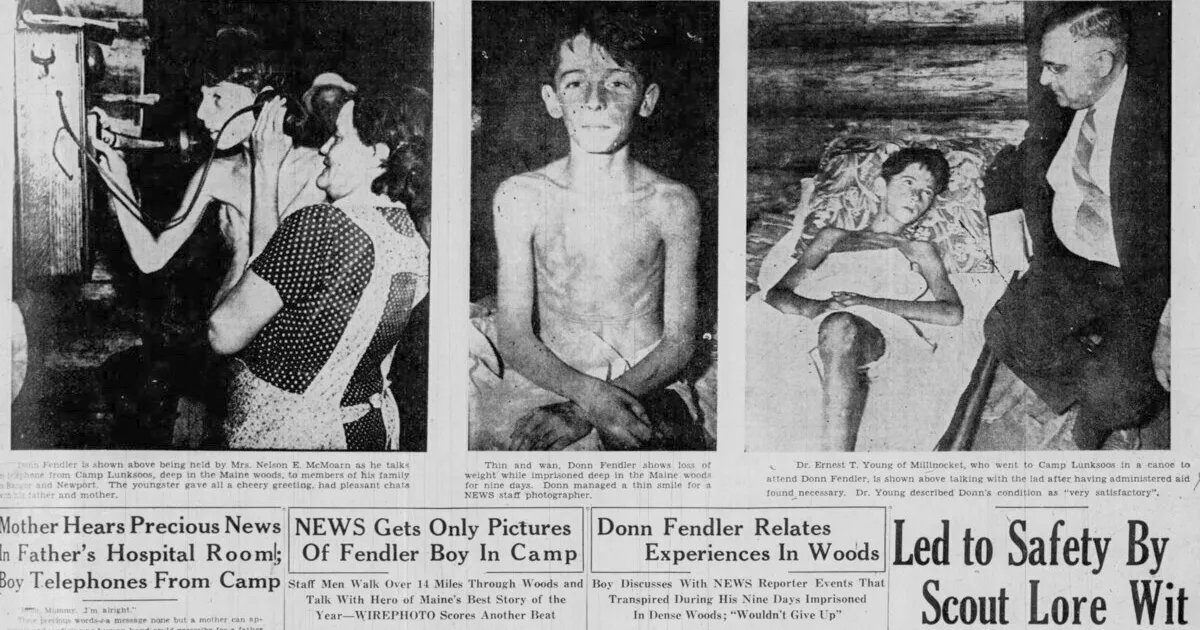
Lost on a Mountain in Maine is the narrator’s true account of when he was lost on Mt. Katahdin in Maine for nine days. And, more than any of the episodes he recounts, the thing everyone remembers most is Donn’s character.
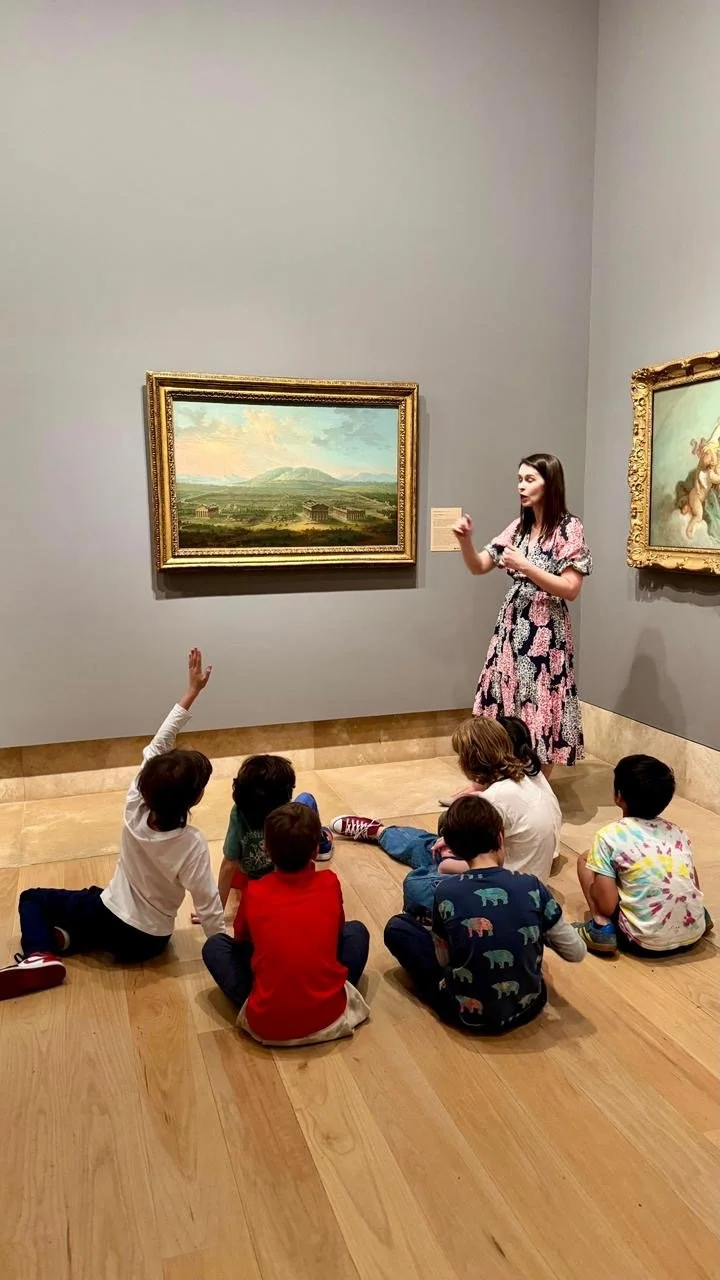
I was recently given the opportunity to guide my 3rd grade homeroom class through the Norton Simon Museum in Pasadena, California on a field trip.
I adore revisiting the stories that always have something new to offer, even after reading them as many times as I have. Just when I think I have reached peak enjoyment of a novel with a particular class, the following year’s group always shows me something else that can be understood from a close reading of the same old, beautiful words.
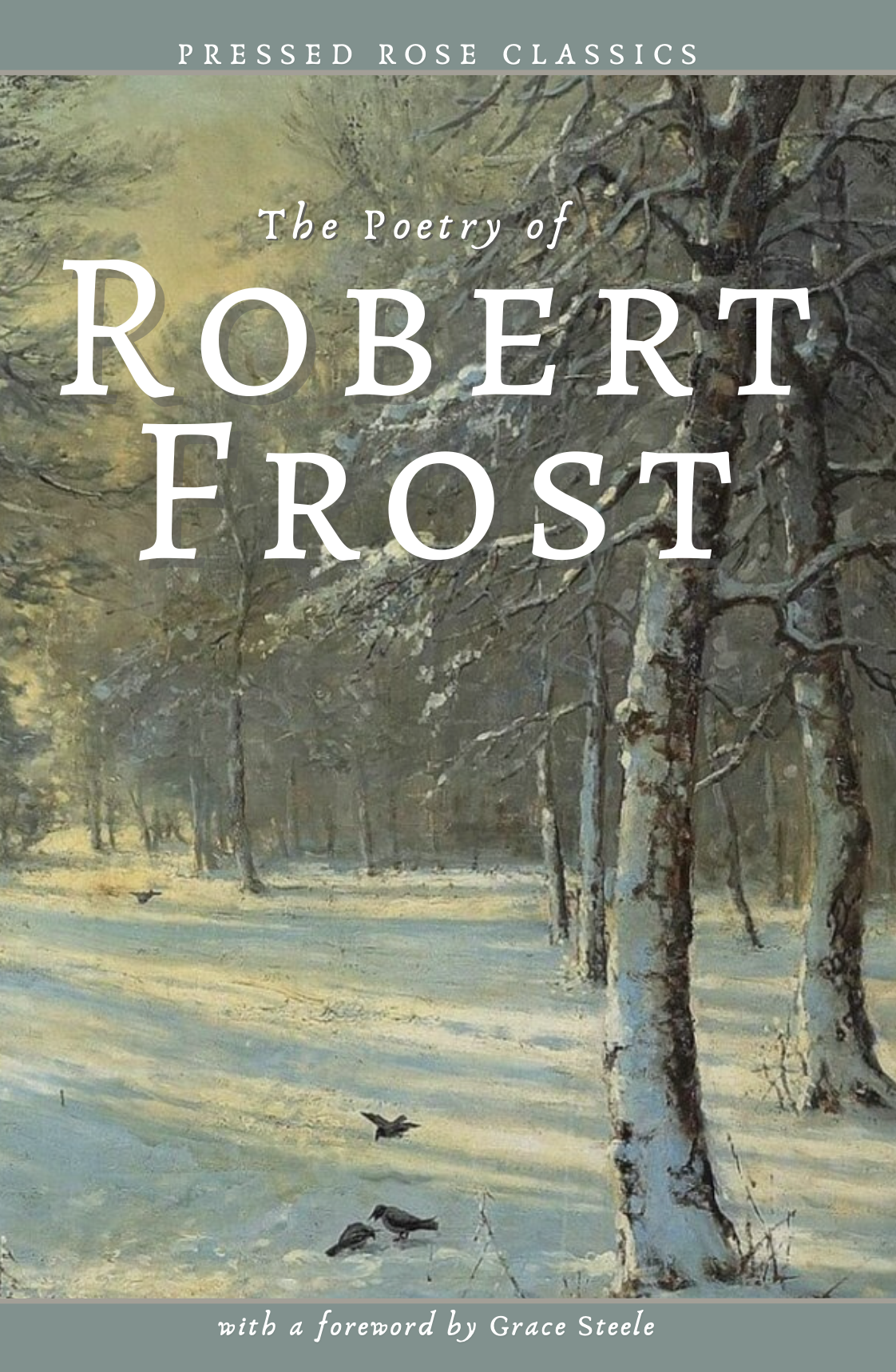
Robert Frost is the greatest poet of the 20th century. While there are several other contenders, Frost’s work rises to the top. Balancing expert use of form with a masterful command over the English language, all of Frost’s art is suffused with the tender tone of a sensitive heart.
This “word dump” allowed my students to just get all of their thoughts out and be okay with organizing them later.
After the crazy fun of Halloween, the month of November feels like a happy, cozy, cold month, and I like to lean into that feeling in my classes.
By encouraging this personal connection, we bring the values of some of literature’s most admirable heroes right home to the hearts of our students, and it makes them stronger.
What goes unnoticed at many other schools, and in a lot of discussions about education, is the boundless value children gain on a spiritual level when they read great literature. You cannot quantify this value—but you can see it in their eyes when they light up over a book they're reading.
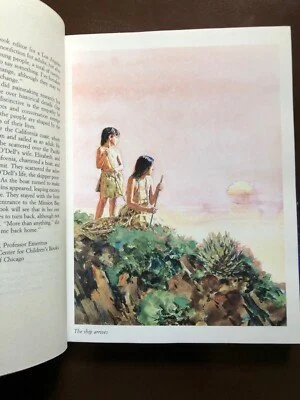
Without hesitation, Karana jumps off the ship as it leaves, despite the hands of everyone she knows trying to hold her back. Knowing full well what it could mean for her own survival, she returns to the island to protect her brother—to stay with him until the ship returns.
The beginning of the new school year always comes with a trillion and one things to be excited about. But for now, these are the things sitting in the front seat of my mind as we head into the 2025-26 school year (tomorrow!).
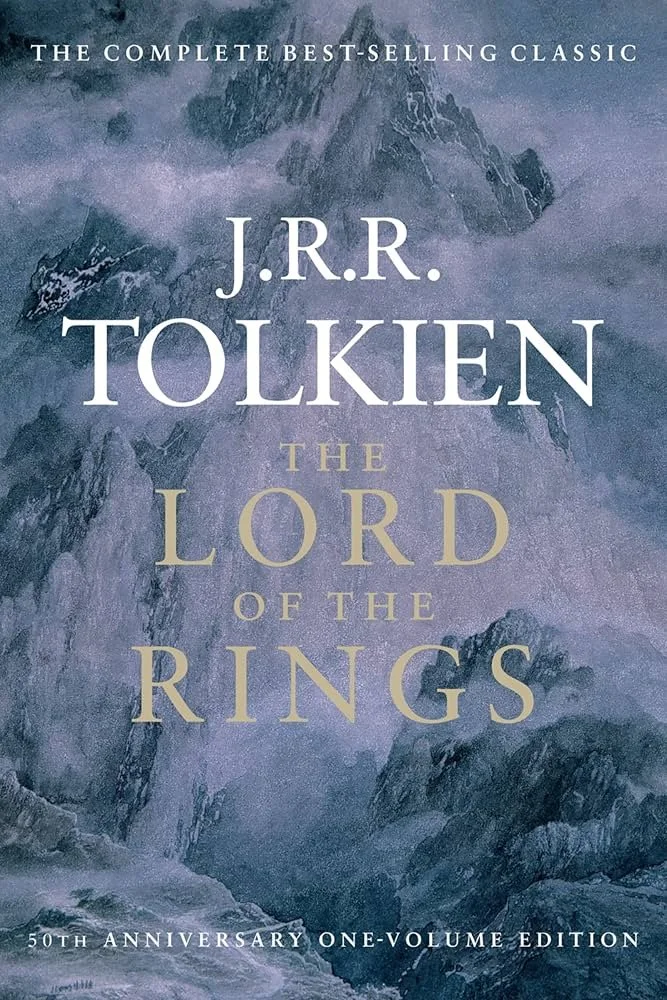
Earnest readers of the trilogy fall in love with a massive, complicated, gorgeous world, and then watch helplessly as it reels toward destruction.
I’ve gone through our shelves at home and pulled out some of my kids’ favorite books to share with you.
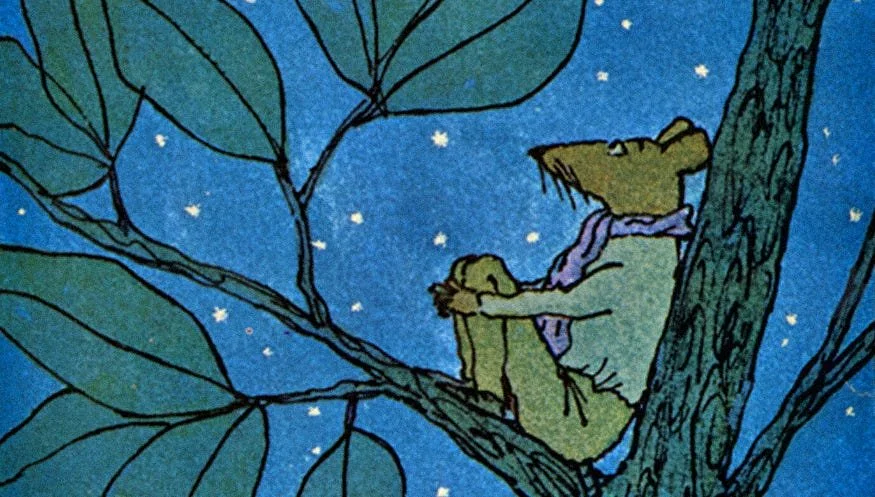
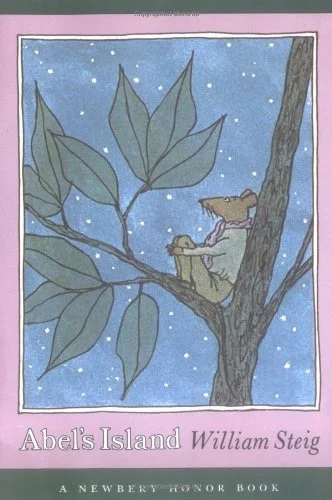
Abel’s Island by William Steig is about a mouse who gets blown across the countryside by an insolent storm, and ends up on an island in the middle of a swift stream where he is marooned for a year.
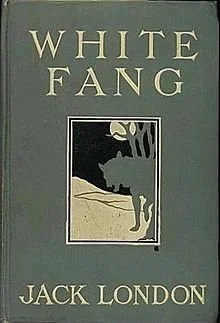
“White Fang is not a puppy anymore,” I said to my class. “He is very much set in his ways. What could possibly be strong enough to change him?”
“Love,” said my students.
“So often, I struggle when grading assignments because I come across answers that are not wrong, but could be a heck of a lot more right.”
“Well, my friends, I am on strike against myself. I am at war against my worries. I am picketing my peccadillos.”
Just like my career was born from my resentment of my own education, so was “Pressed Rose Classics” born out of my resentment for cheap re-prints of beautiful works. Now, I am self-(re)publishing beautiful classics in affordable, pleasant-to-read paperback form.
My students as young as 4th grade are now giddy over Shakespeare. So, I thought I would share some Shakespearean moments from class with you.
Some short stories from the classroom about how literature brings joy in many and varied ways.
I love the start of each new school year, but this year I am more excited than usual.
“[Dickinson] says that it’s not something science can identify, but something that human nature can feel. What sort of thing might she be referring to?”
“Mayonnaise”
In my recent post about “literary immersion,” I talked about how I get students immersed in stories. But, all of those strategies are completely useless if the book we are reading isn’t good enough.
I have come to describe this exuberant, joyful reaction to literature as being a result of literary immersion: complete preoccupation and delight in a novel.
Enjoy some little glimpses into the classroom.
And so I sing the poplars; and when I come to die
I will not look for jasper walls, but cast about my eye
For a row of wind-blown poplars against an English sky.
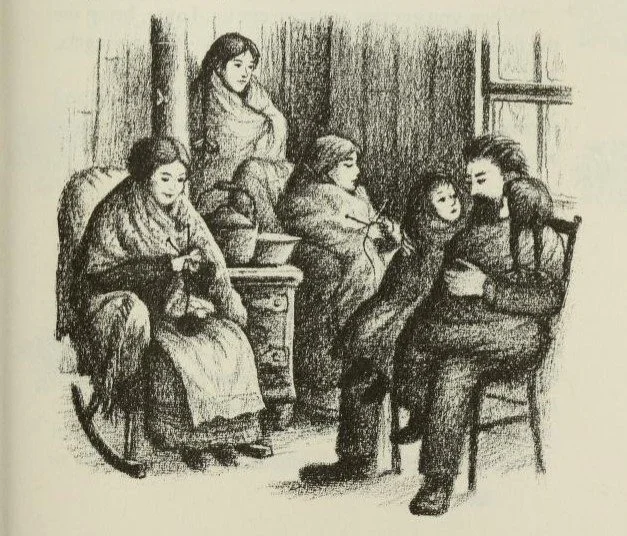
Through poetry, the Ingalls are able to keep their spirits alive through the nearly-lethal winter. Where there was dark, silence, and a dull throbbing headache, poetry sheds light, brings joy, and banishes pain.
Just as nothing green can grow in a trodden garden, nothing beautiful can bloom in a mind that is numbed day after day by cheap stimulation.
Every year, I make literary Valentines to pass out to my classes which accompany the books we are reading at the time.
Each day in the classroom is filled with beauty, and it is often difficult to decide what to write about. So, here is a little bit of everything from this week.
It is through discussion that we help children to access the most valuable part of poetry—the connection to real life.
By drawing connections between themes and characters to others within the same story, in different stories, and to our own experiences, we are practicing a skill that serves to bring those vivid images of lofty ideals and values to the forefront of our minds, giving us something to aspire towards in our everyday lives.
Poetry contains the heights of human joy, the depths of our sorrows, and every shade in between, distilled into language so sincere, so lovingly chosen, that nothing compares to the power of being able to summon it to your lips at will.
My students have a stockpile of verses memorized, which allows them to draw insightful comparisons at the drop of a hat, effortlessly quote lines in their own writing and during discussion, and most importantly, venture into the world with a soul strengthened by some of the most beautiful words ever strung together by mankind.
Slow, horses, slow, As through the wood we go. We would count the stars in heaven, hear the grasses grow.
This series will focus on the meaning of classic poetry, why children should be exposed to it, and how to go about exposing them to it.
Candy does not motivate children to learn. Candy motivates children to want candy.
Generalizations can’t exist without examples.
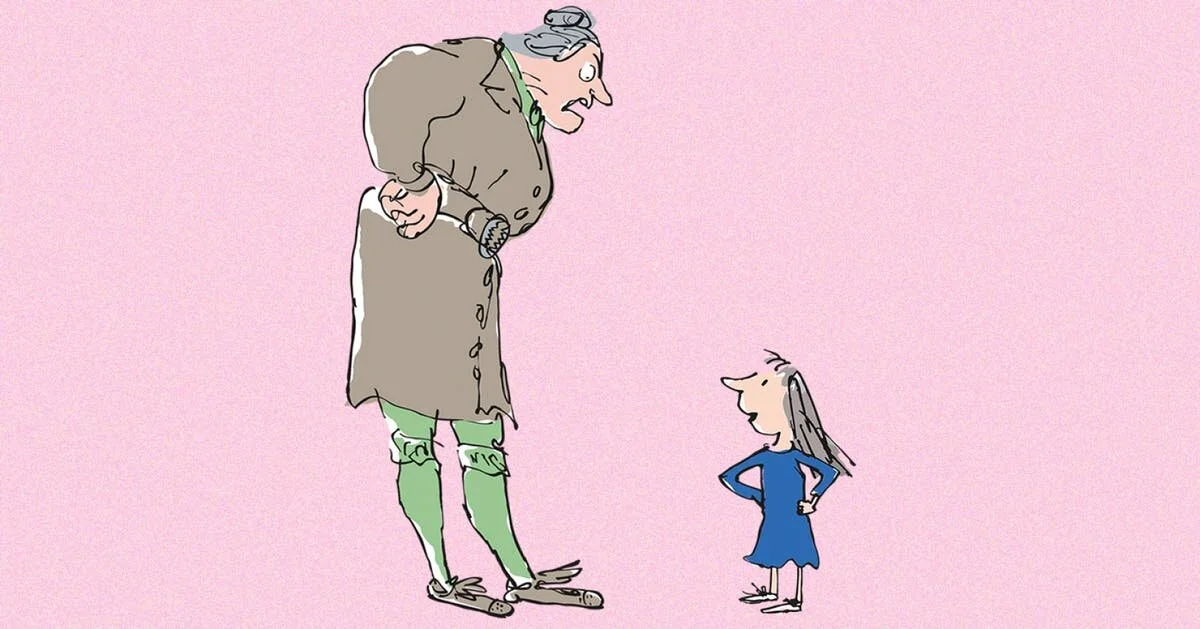
While there are things about Roald Dahl’s writing that I find repulsive in a children’s author, there are other virtues in his works that I think make several of them unmissable.
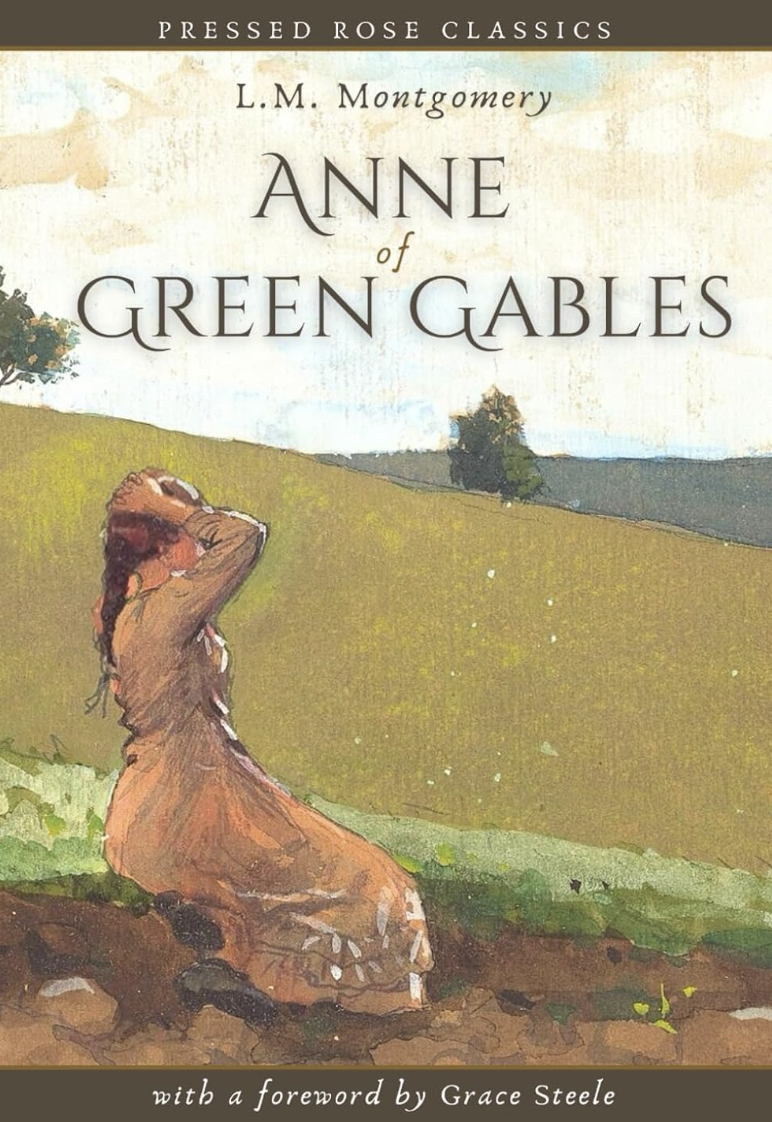
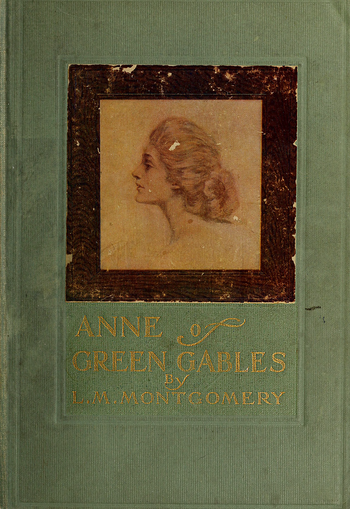
Anne of Green Gables is my favorite book of all time, and as a result, it is the book I find most challenging to teach.
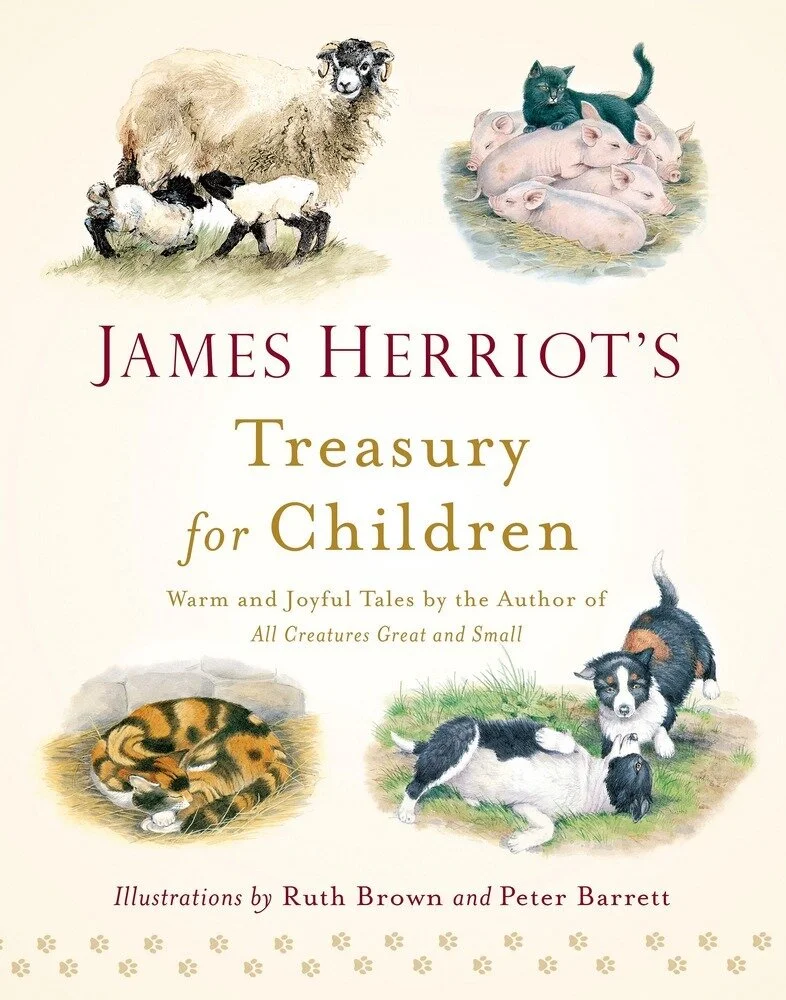
Herriot’s stories are joyful tributes to his love for animals, people, and Yorkshire.
By exposing [children to violence] in safe ways at an early age (e.g., through stories), you are helping them to cope when they inevitably encounter it in real life.
My students have taught me a valuable lesson over the past couple of years: sometimes it’s better to just be quiet.
What, exactly, is left on the table when you allow your child to choose a comic book over a well-written children’s novel?
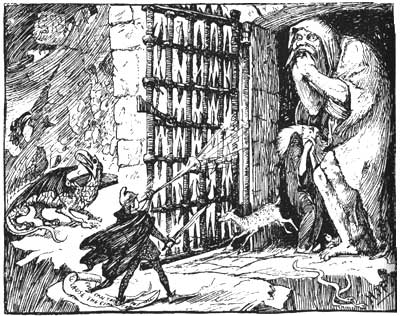
Glittering Caves is a treasure trove of insight to anybody who is curious about The Lord of the Rings.