"My very photogenic mother died in a freak accident (picnic, lightning) when I was three."
—Lolita
It is possible to be struck by a meteor
or a single-engine plane
while reading in a chair at home.
Safes drop from rooftops
and flatten the odd pedestrian
mostly within the panels of the comics,
but still, we know it is possible,
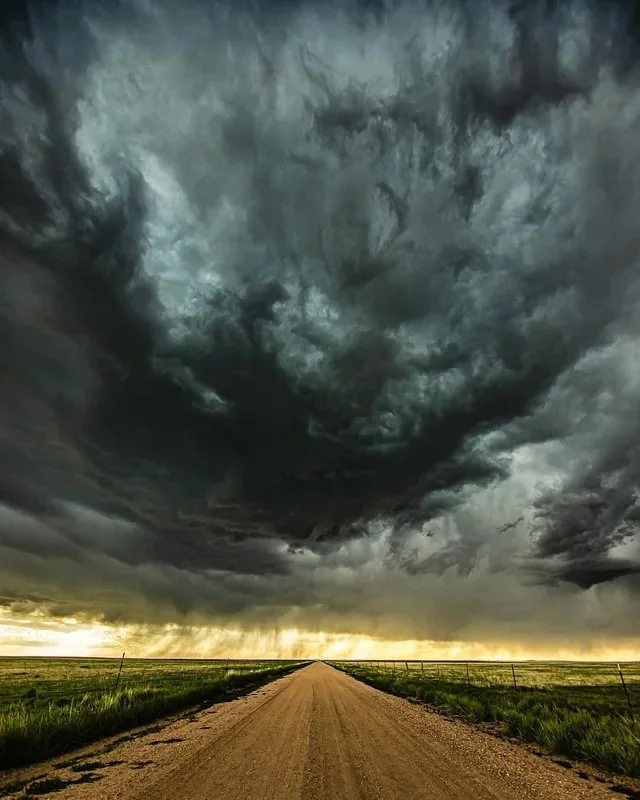
as well as the flash of summer lightning,
the thermos toppling over,
spilling out onto the grass.
And we know the message
can be delivered from within.
The heart, no valentine,
decides to quit after lunch,
the power shut off like a switch,
or a tiny dark ship is unmoored
into the flow of the body's rivers,
the brain a monastery,
defenseless on the shore.
This is what I think about
when I shovel compost
into a wheelbarrow,
and when I fill the long flower boxes,
then press into rows
the limp roots of red impatiens--
the instant hand of Death
always ready to burst forth
from the sleeve of his voluminous cloak.
Then the soil is full of marvels,
bits of leaf like flakes off a fresco,
red-brown pine needles, a beetle quick
to burrow back under the loam.
Then the wheelbarrow is a wilder blue,
the clouds a brighter white,
and all I hear is the rasp of the steel edge
against a round stone,
the small plants singing
with lifted faces, and the click
of the sundial
as one hour sweeps into the next.
Reflections
I thought all my favorite poets were dead. Well, it turns out they’re not!
I recently stumbled upon this poem, which led me to purchase a collection of poetry by Billy Collins. I now have three more collections checked out from the library. While not every poem is a hit for me, I love him. He is simultaneously funny, wise, and poignant. I hope to include at least three more of his poems in future posts here.
This poem’s central purpose can be stated briefly, even if his execution is complex and filled with details to notice: Life can end suddenly, and remembering that lends a special, luminous beauty to everyday things.
The specific sudden tragedies he lists are comical in their strangeness—the meteor/plane crash in the armchair at home, the lightning strike on a picnic, the safe falling from a window like a Looney Tunes episode. Then more serious tragedies strike, such as a sudden heart attack. The “tiny dark ship” that is unmoored into the body’s blood and towards the defenseless monastery of the brain seems like an insidious invader—perhaps an embolism.
All these sudden deaths flash through the speaker’s mind as he works in his garden. And, amidst the thoughts of tragedy, he finds such beauty in the earth he tills. The very soil appears to be an artwork, and the clouds seem brighter. Insects bring increased wonder, and the small plants are described as singing, with their faces lifted toward the sun. The sensory details in the latter part of the poem surround the reader with appreciation for the gorgeousness of the earth, heightened by an increased awareness of the ways we can suddenly be taken away from them. Through the narration of this experience, the thoughtful reader has a similar experience himself—and isn’t that the purpose of poetry?
Life is so beautiful. And somehow, perhaps paradoxically, tragedy helps us understand the beauty of life more intimately.
Which parts of the poem stick out most to you? I definitely didn’t mention every noteworthy thing!