The roses of the school year have begun to bloom, and I am excited to watch it happen. This year has brought with it some new challenges--a demanding teaching schedule and new courses--but it has also brought the things I have always loved about teaching: sharing beauty with my students, and watching them grow in their appreciation of it.
To begin the year, I would like to share some anecdotes from our first week.
Take This Book and Hide It
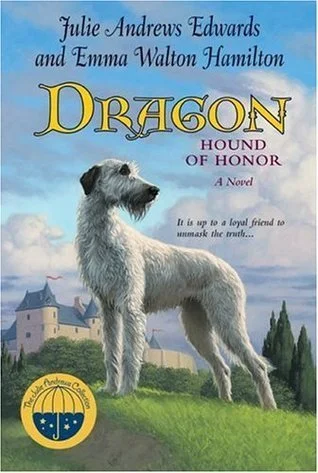
In 4th grade literature, I always start the year by reading Julie Andrews’s exciting murder mystery, Dragon: Hound of Honor. The students love the surprising plot, the hilarious bar fight it features, and the admirable knights who search for the truth.
On Friday morning, I was stopped in the hallway by a mother of one of my 4th grade students. She eagerly told me about what her son demanded of her the previous night: “Mom, you have to take this book away from me and hide it. I’m not allowed to read ahead, but if I keep it, I know I won’t be able to stop.”
I get it, kid!
The Depths of Despair
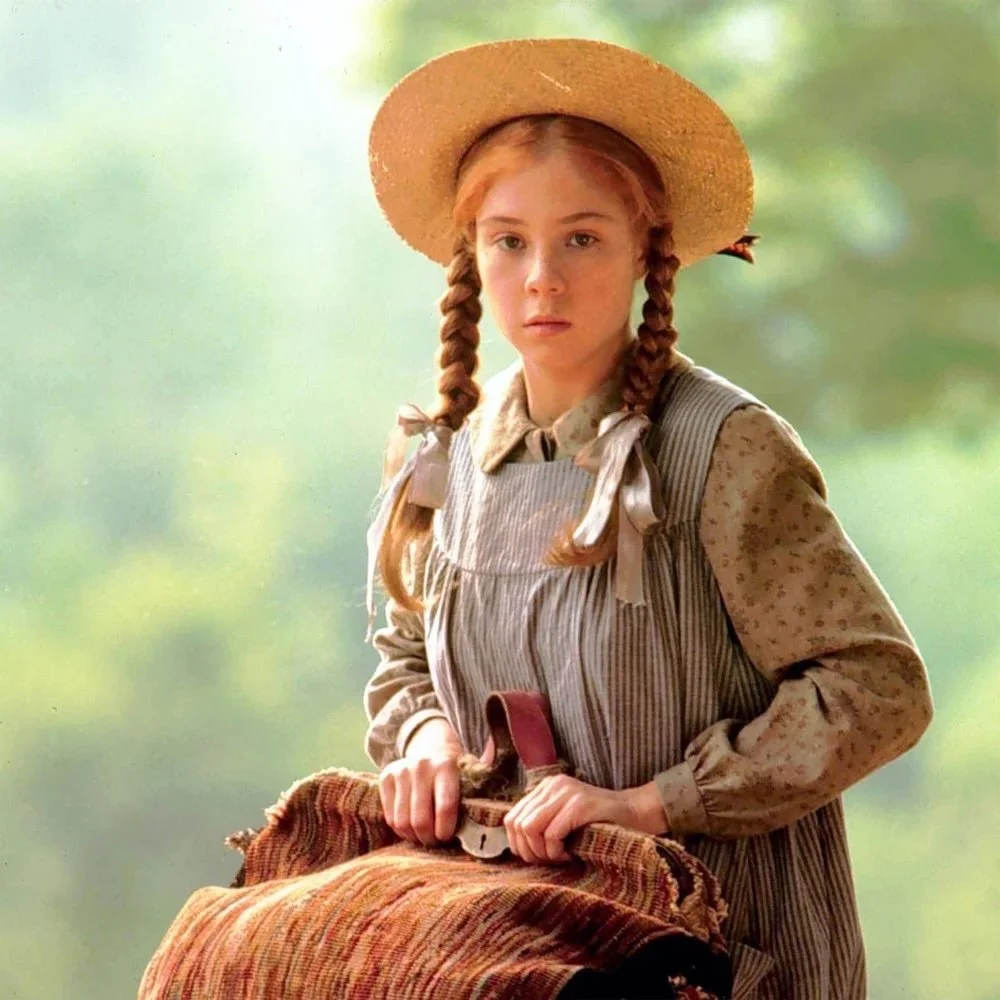
In 5th grade literature, we have started reading Anne of Green Gables by L.M. Montgomery. Although we are only three chapters in, the students already have such affection for Anne, Matthew, and Marilla… Especially Anne.
We had a fun time making a list of all the places and people Anne renames. The students began to notice that she does it all for the same reason--to call something by a name that is as beautiful as itself.
“Anne renames everything,” one student commented. “She even renames sadness! ‘The depths of despair!’ Ha!”
This led into a wonderful discussion about what it means to be a romantic... and I have already caught them naming their classroom plants.
The Bounty Hunter
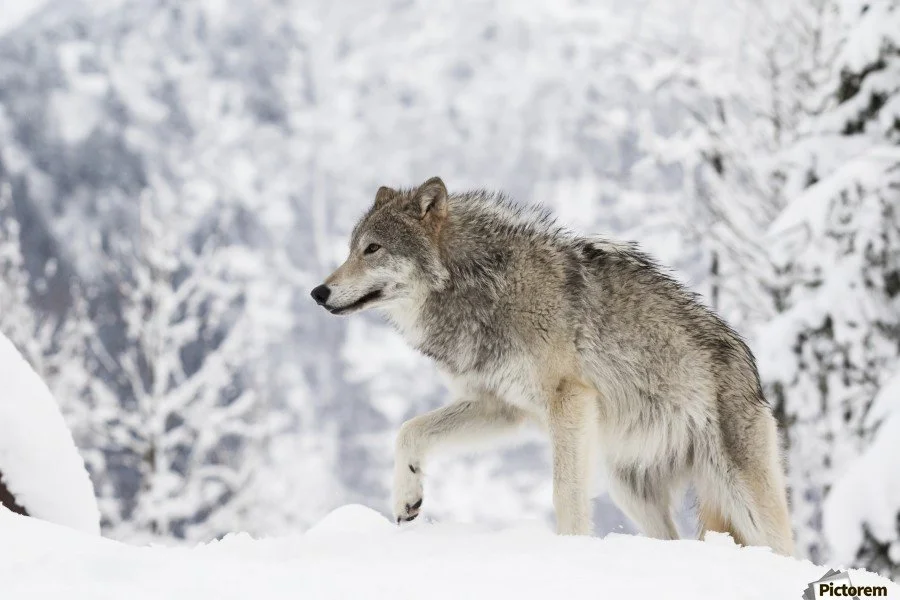
In the 6th grade, we have started White Fang. It opens with a thrilling, somewhat spooky episode involving a pack of starving, wild wolves and two men with a team of six sled dogs. A she-wolf cunningly draws the dogs away from the safety of the campfire each night, one at a time, and the men wake each morning to find themselves missing another dog. Try as they might to protect their animals, the dogs continue to disappear.
While discussing the she-wolf’s seductive tactics, a student of mine compared her to a bounty hunter, employed by the Northland Wild to kill the audacious men and their sled dogs. This led beautifully into a discussion of the Wild vs. Civilization, of what separates animals from humans, and how experience informs decisions and strategy.
I cannot wait to hear their next comparison.
Describing Dodecahedrons
This is my first year as a writing teacher, and I have been planning for it all summer. I have chosen to start the year with a unit on observation. The overall goal of the unit will be to answer the question, “What do writers notice that others miss?” This has already led to interesting discussions and exercises about descriptive language.
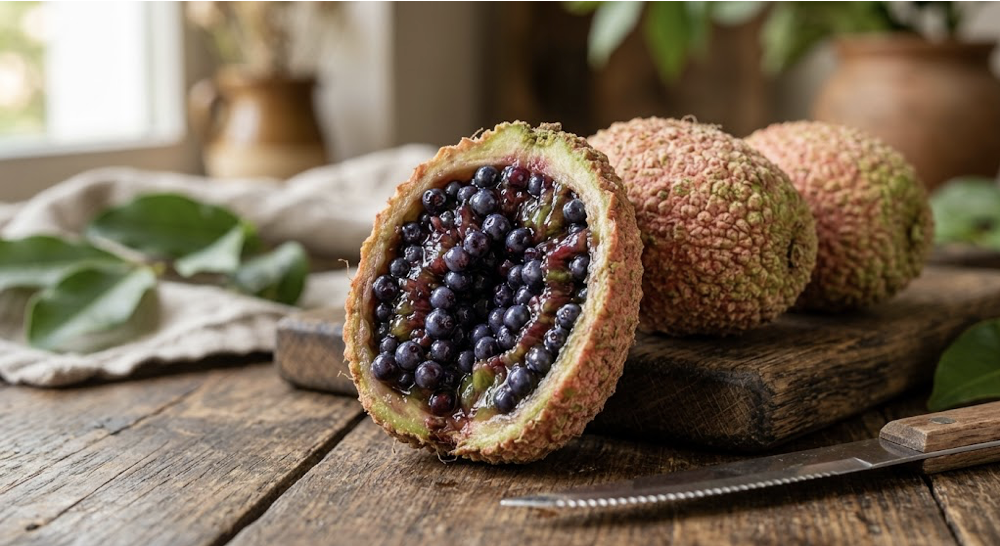
For our first exercise, I wanted to get a baseline on my students’ abilities. I showed a few odd pictures to the class and asked them to describe the objects in one sentence, as though the reader could not see the picture. I received pretty bland sentences, which was perfect. I typed one of them into Google and did an image search. The results were so wildly different from the original image that I laughed. When I showed the best matched picture to the class, they laughed too.
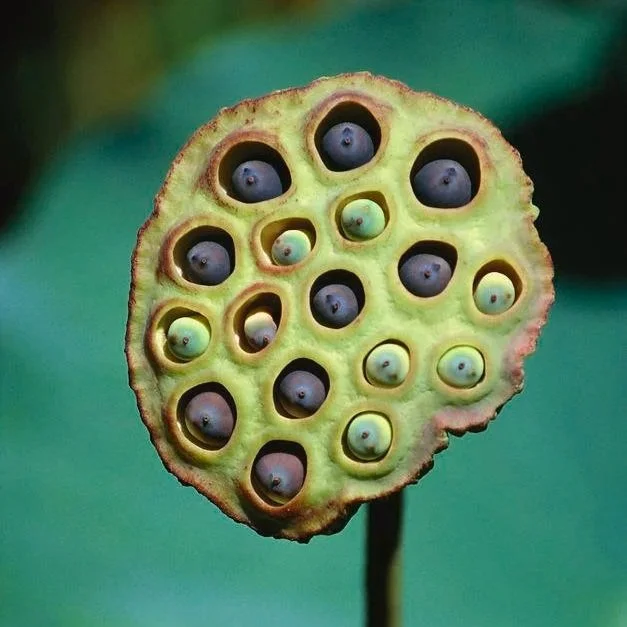
This is the original picture I showed. It is a lotus seed pod, but the students didn’t know that.
This was the image I found which best matched the first description.
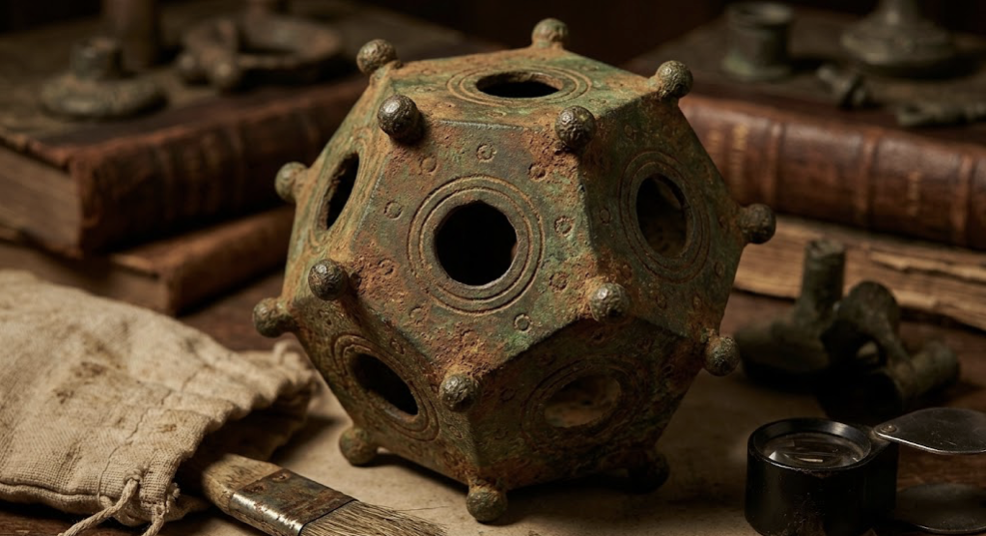
We had a great lesson on sensory descriptions, and then they got to try again. This time, I showed them a picture of a Roman dodecahedron, which they described with great facility (despite having no clue what they were looking at). When I took one of their new sentences and searched it, I found many pictures of… dodecahedrons! When I showed it to the class the next day, they burst into spontaneous applause. The anonymous author identified herself by standing up to take a bow. There was much rejoicing.

This is the image I showed my students of the dodecahedron.
This is the image that came up—It is obviously AI-generated, but still shows the quality of the description!
Understanding Eagles
Here are some things my 7th and 8th grade students had to say in our first poetry class about what poetry is and why it is important:
“Poetry is like a story and a song put together.”
“Poetry is different from other forms of literature because it makes you feel more intensely.”
“When I read a really good poem, I feel completely at peace.”
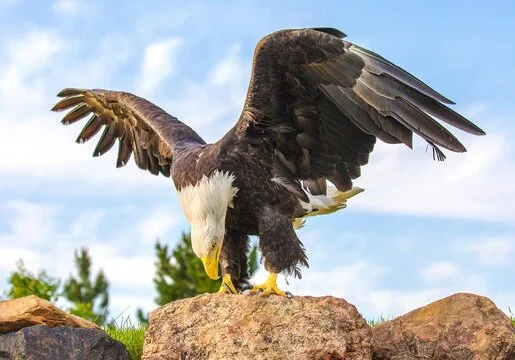
After discussing the meaning and value of poetry, I showed my 7th graders “The Eagle” by Alfred, Lord Tennyson. The perfection of the poem was captured by a student who said, “This poem doesn’t tell me anything about an eagle, but still, I don’t think I understood eagles until I read it.”
The year has only just begun, and I can already see the beginnings of new blooms. I hope to share them with you here.
He clasps the crag with crooked hands;
Close to the sun in lonely lands,
Ring'd with the azure world, he stands.
The wrinkled sea beneath him crawls;
He watches from his mountain walls,
And like a thunderbolt he falls.
—Alfred, Lord Tennyson
The Eagle